Racing Simulator Parts
Steering Motors
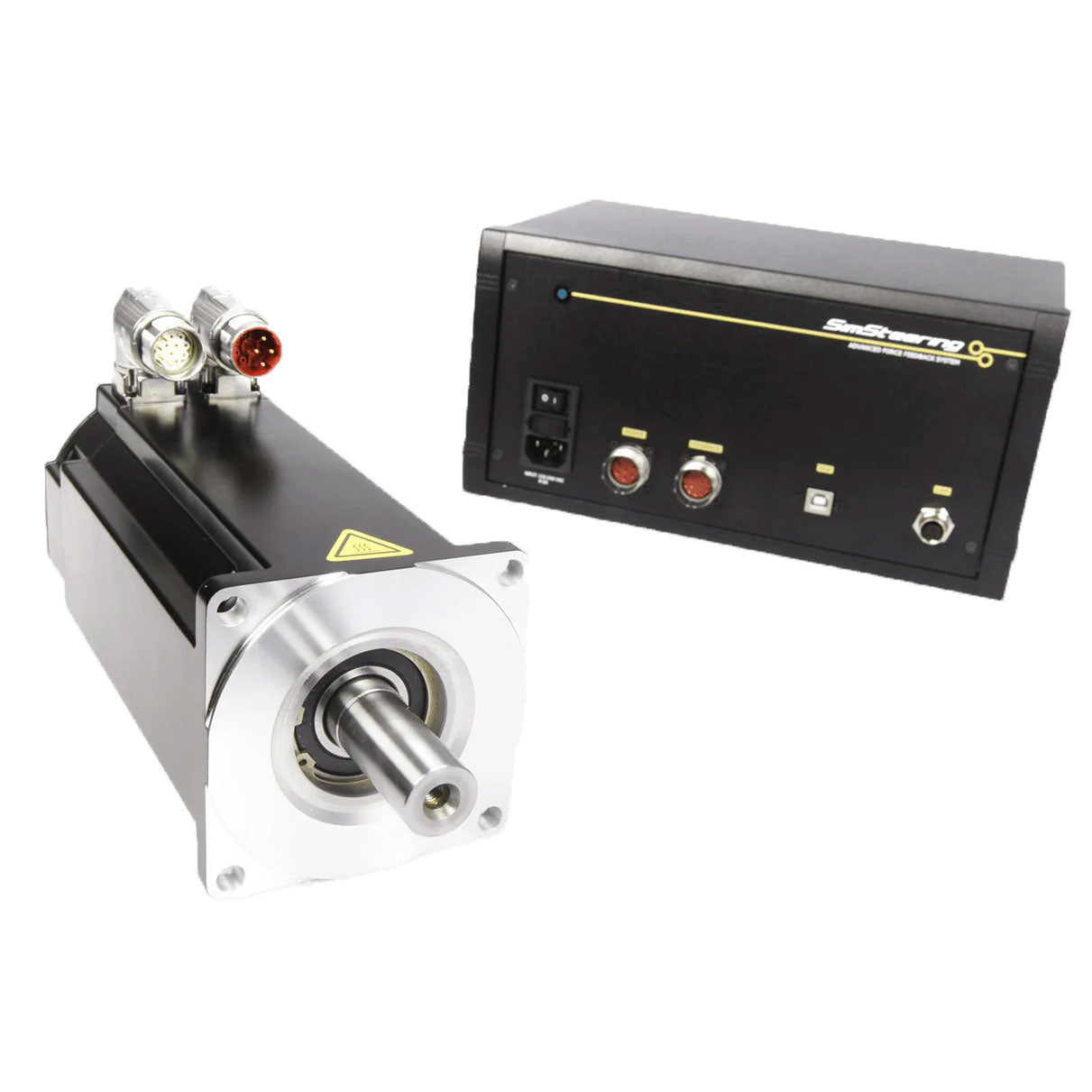
Exclusive CP-S force feedback system (26nm) as used by pro drivers.
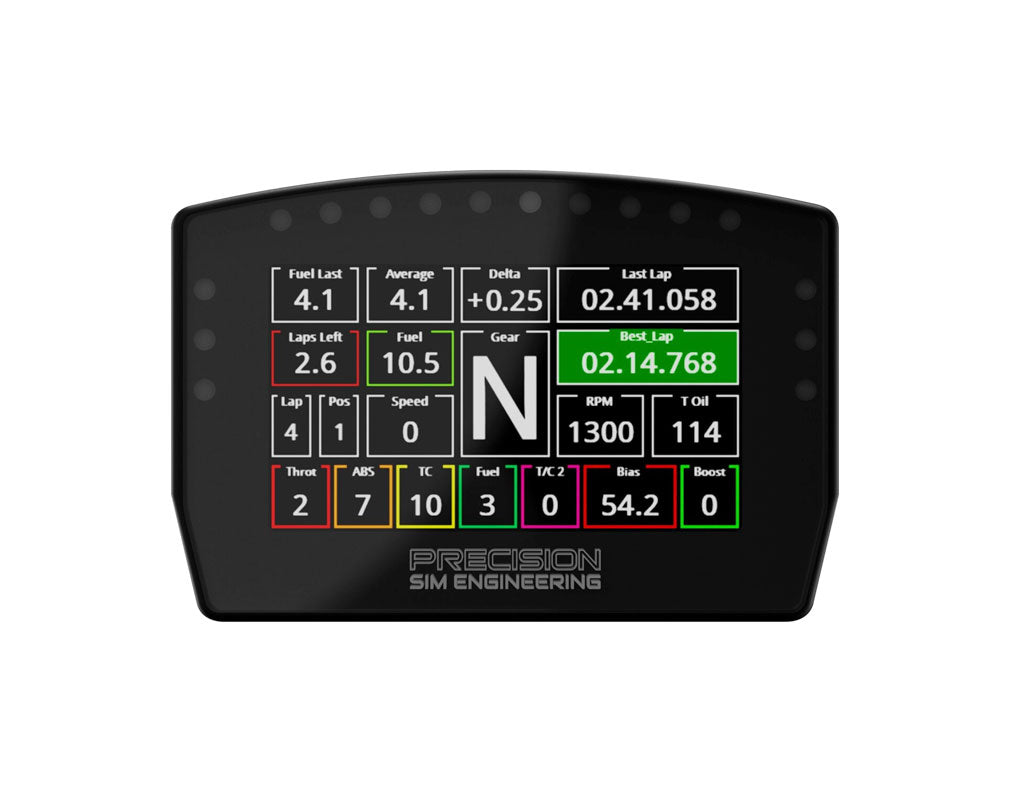
Digital Display Units
Digital display units from precision sim engineering, compatible with all major Direct Drive systems.
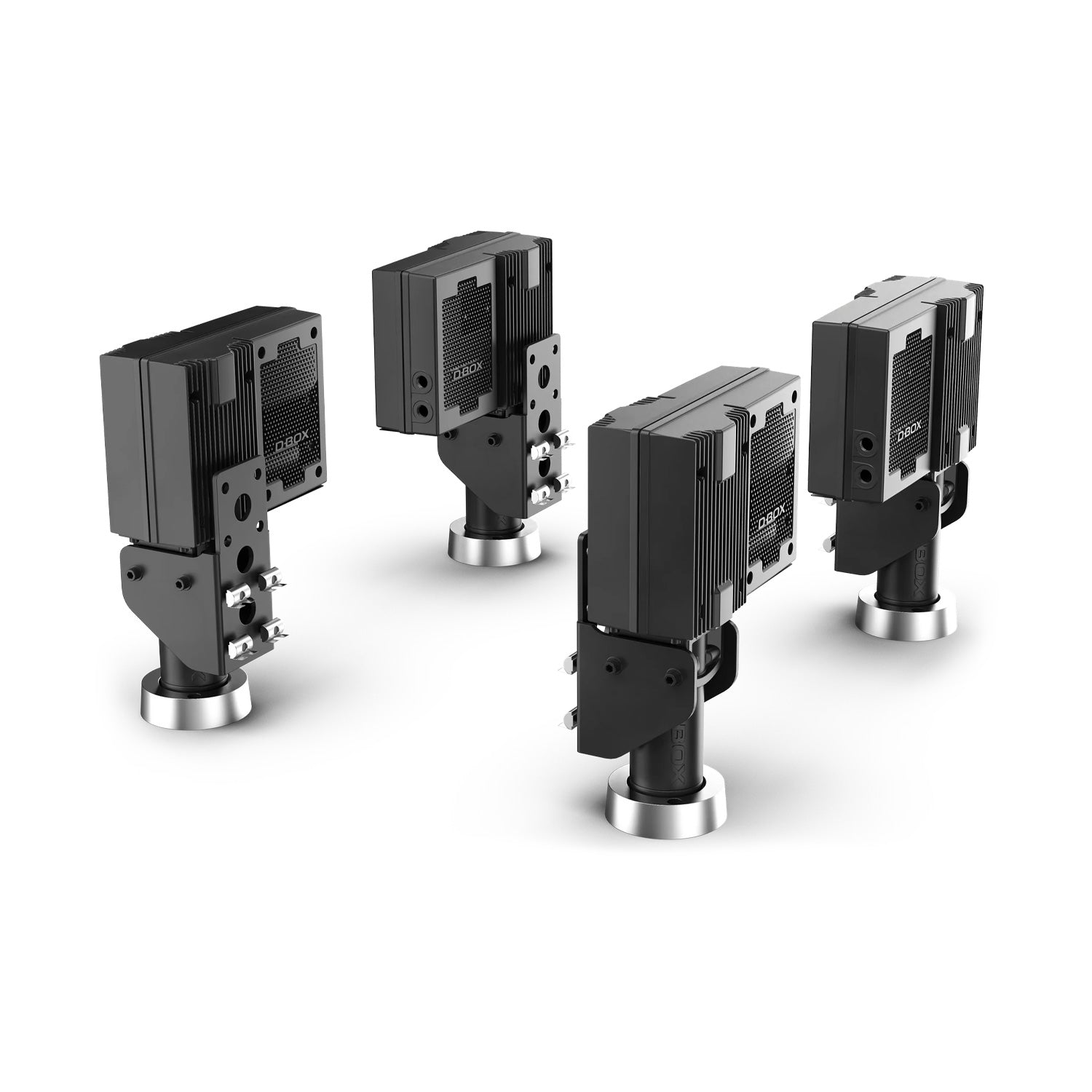
Motion
Available on all of our racing simulators, learn more about the D-BOX motion system we use.
FAQs
What is the difference between an H pattern and sequential shifter, and which do I need?
An H pattern shifter replicates the gate style gearbox found in GT cars, touring cars and road cars — you physically move the lever through a grid of positions to select each gear. A sequential shifter moves only forward and back, replicating the paddle or lever shift system used in single seaters, rally cars and most modern race cars. Which you need depends entirely on what you are trying to simulate. If you drive or race a GT or road car, an H pattern gives you more realistic inputs and better muscle memory transfer. If you are training for single seater motorsport or any car with a sequential transmission, a sequential shifter is the correct choice. Cool Performance stocks Pro Sim options in both configurations, and some drivers running mixed programmes keep both available on their rig.
What is a DDU and do I need one for my racing simulator?
A DDU, or digital display unit, is a dedicated screen that sits on or near your steering wheel and displays real time telemetry data — lap delta, current speed, gear position, tyre temperatures and other session data — without requiring a HUD overlay on your main monitor. For casual sim racing it is an optional extra. For anyone training seriously, it is a meaningful upgrade because it forces you to build the same data reading habits you would need in a real car, where you cannot pause and look at a screen. The Precision Sim Engineering DDUs stocked by Cool Performance are compatible with all major direct drive systems and are one of the more cost effective ways to make a simulator session feel significantly more professional.
What simulator parts do professional racing drivers actually use?
Professional racing drivers training on high end simulators use hydraulic pedal systems rather than load cell alternatives, high torque direct drive force feedback motors in the 20 to 30Nm range, and steering wheels that replicate the exact feel and button layout of their real race car. At Cool Performance, the CP-S hydraulic pedals delivering 200kg of braking force and the SimSteering2 FFB system at 26Nm are the same components used by professional drivers including 2025 F1 World Champion Lando Norris. The hardware is not adapted from consumer products — it is developed specifically for drivers who need their simulator to be a genuine training tool.
Is a 26Nm force feedback system worth it over a cheaper direct drive wheelbase?
The difference between a consumer direct drive wheelbase at 8 to 12Nm and a professional system at 26Nm is not just about strength — it is about information. At higher torque outputs, the wheel communicates subtleties that lower end systems simply cannot reproduce: the early signs of understeer, the moment rear grip begins to go, the resistance change under heavy braking. For casual sim racing, a consumer wheelbase is perfectly capable. For anyone using a simulator to develop real driving skill, the quality of feedback at 26Nm is in a different category entirely. The CP-S spec SimSteering2 system used by Cool Performance operates at this level and is the most common upgrade for serious sim racers stepping up from consumer hardware.
Do hydraulic sim racing pedals actually make you faster?
The case for hydraulic pedals is not really about outright speed — it is about consistency and transferability. Load cell and spring based pedals can be calibrated to feel firm, but they do not replicate the progressive fluid resistance of a real hydraulic brake system. The result is that the muscle memory and brake pressure instincts you develop on a load cell pedal set do not fully transfer to a real car, and vice versa. Hydraulic pedals like the CP-S bespoke system, which offers up to 200kg of braking force, close that gap. Drivers using them consistently report more stable lap times over long stints, better braking confidence, and a shorter adjustment period when moving between the simulator and the real circuit.
Racing Simulator Parts & Accessories | Cool Performance
Whether you are building your first serious sim rig, upgrading piece by piece, or speccing out a full professional setup, the Cool Performance parts range starts from a simple idea: every component should be accurate enough to actually improve your driving.
That is the same standard that over 250 professional racing drivers across Formula 1, Formula 2, Formula 3, GT, WEC and LMP racing hold it to. Drivers including Lando Norris, Carlos Sainz, Alex Albon, Mick Schumacher, Ferdinand Habsburg and Ye Yifei use this hardware not because it is the most expensive option or the most well marketed, but because it is the most accurate. The parts available here are the same ones they train on. Nothing is modified or upgraded for the professionals — what you buy is what they use.
The force feedback system
The CP-S spec SimSteering2 FFB system runs at 26Nm, which puts it well above the 8 to 12Nm range that most consumer direct drive systems operate at. That extra torque is not about making the wheel feel heavy for the sake of it. It is about the quality of information that comes back through your hands — the early signs of understeer, the moment rear grip begins to go, the resistance change into a heavy braking zone. At 26Nm these inputs become readable in the same way they are in a real car, which is exactly why professional drivers use this system and exactly why upgrading to it from a consumer wheelbase tends to be one of the most immediately noticeable changes you can make to your setup. You do not need to be a professional to feel the difference.
The hydraulic pedals
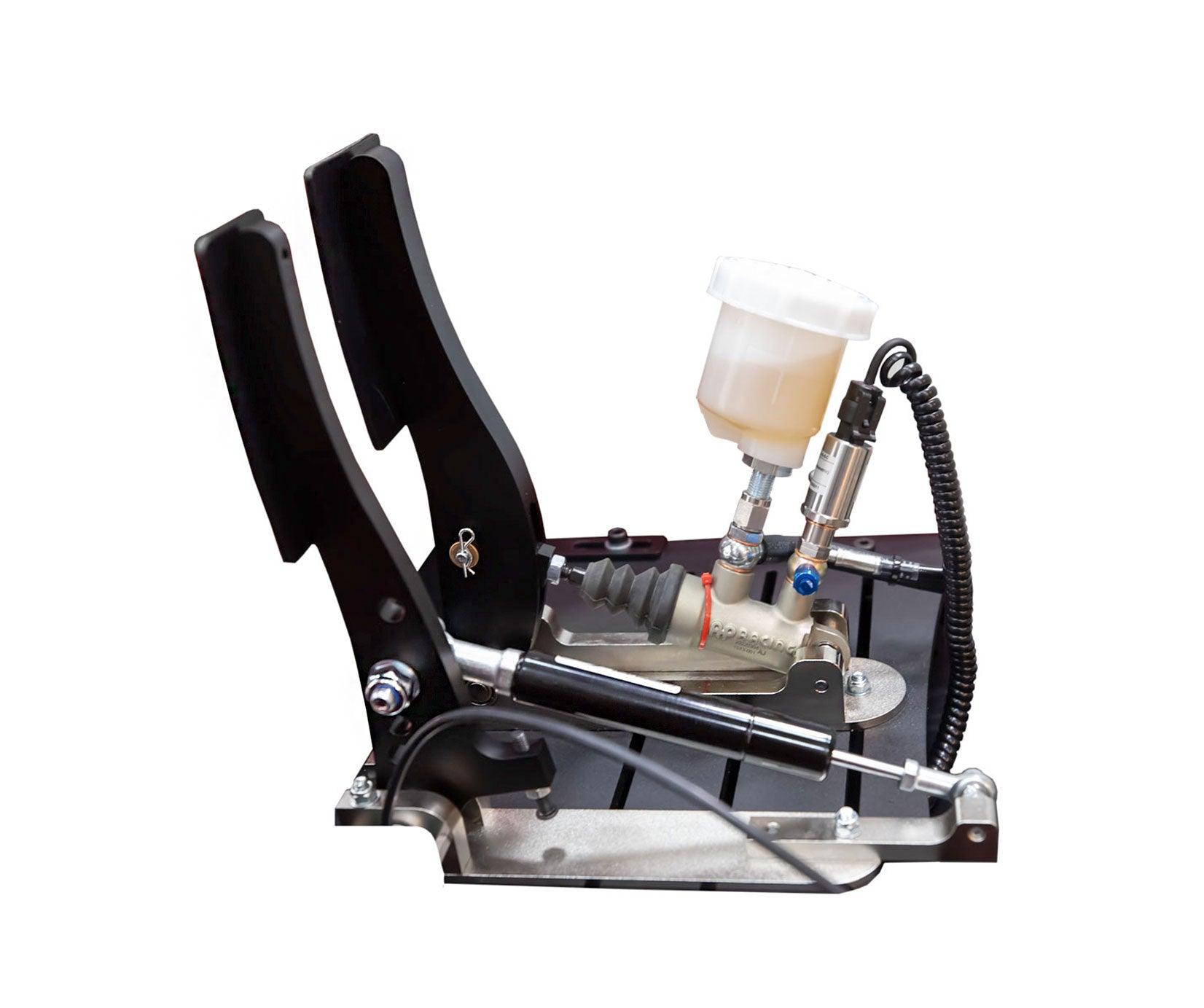
The CP-S bespoke hydraulic pedals deliver up to 200kg of braking force, replicating the pedal loads you would experience in a real racing car rather than approximating them. Most sim pedals, even high quality load cell sets, measure the force you apply to a pad. Hydraulic pedals replicate the actual fluid resistance of a real brake system. The result is that the braking instincts and muscle memory you build in the simulator become transferable to a real car — or simply more consistent across a long session, which matters whether you are racing on a real circuit or competing online. This is the most common upgrade for drivers who have outgrown a load cell pedal set and want the next step in realism and consistency.
The steering wheels
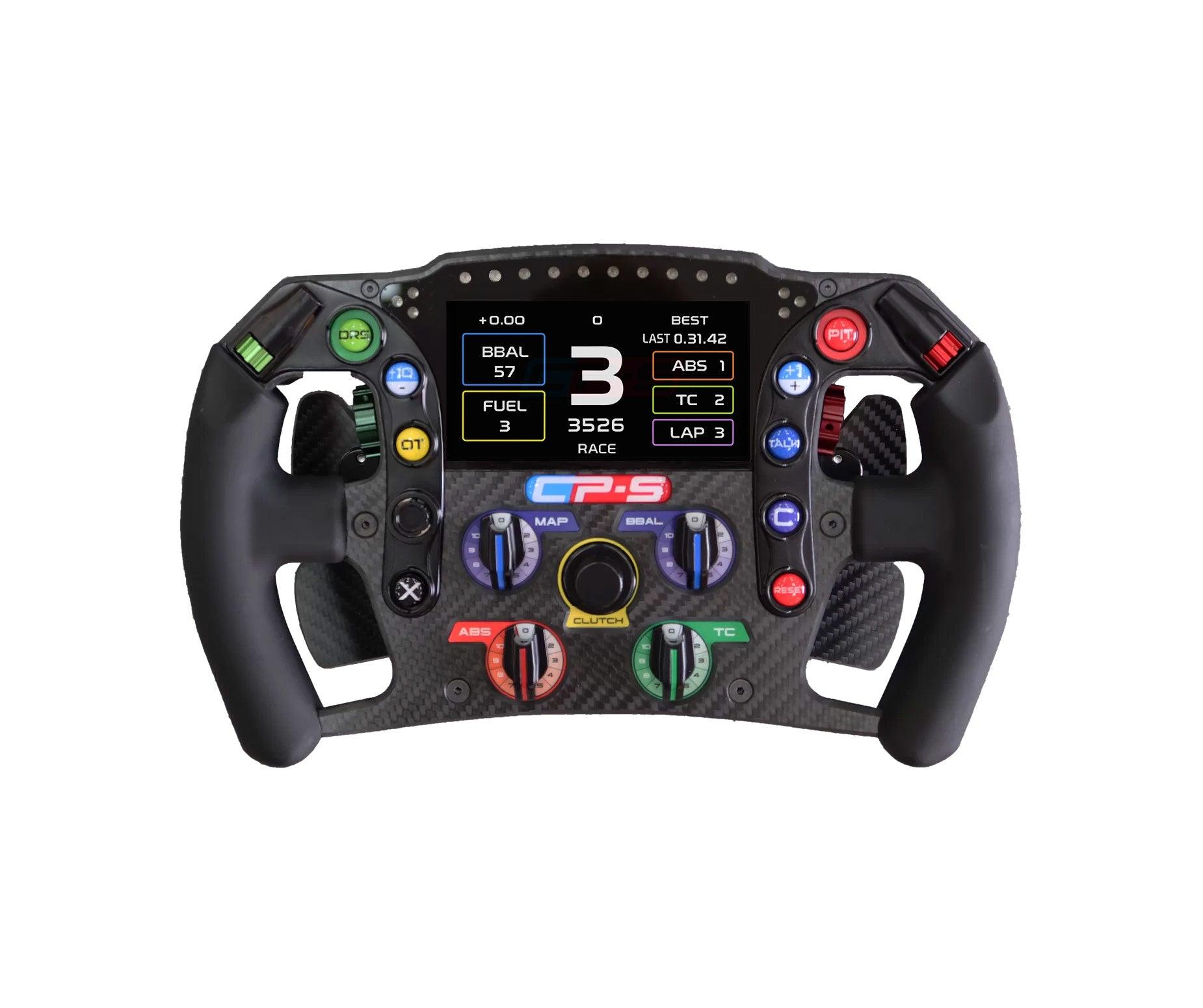
The CP-S and PSE steering wheel range is designed specifically for the Cool Performance platform. Button layout, paddle feel and ergonomics are shaped by driver feedback rather than adapted from a generic rim. If you are upgrading from an off the shelf wheel, the difference in precision and feel is immediately obvious. If you are building a new setup, they are designed to work seamlessly with the rest of the CP-S hardware.
The shifters
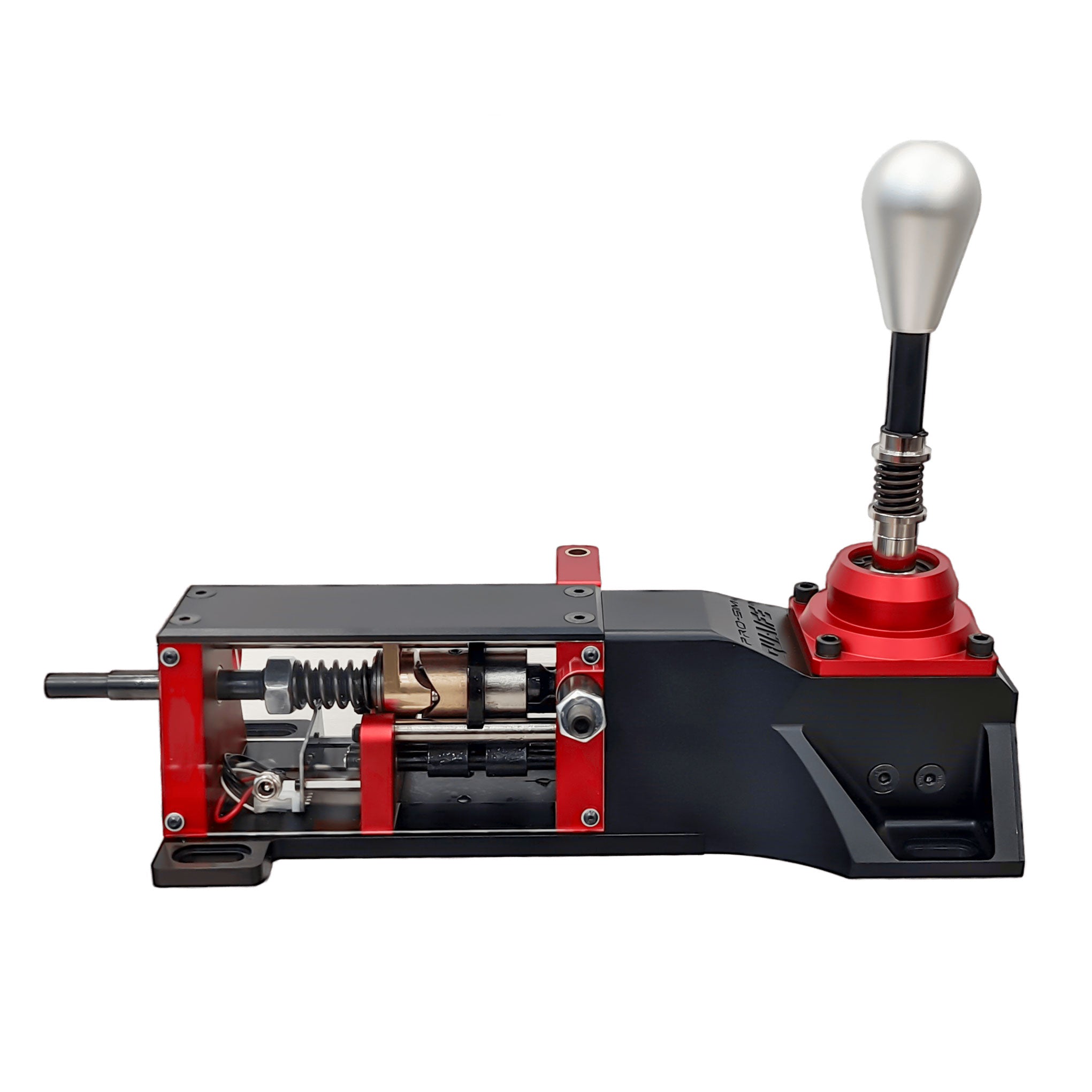
The Pro Sim H pattern and sequential shifters cover both disciplines. H pattern for GT, touring car and road car driving where rowing through a physical gearbox is part of the experience. Sequential for single seater or rally style setups where precise, fast gear engagement is what matters. Both are built for the repetition of real training sessions across thousands of laps rather than occasional use, and both are common additions for drivers building out a more complete cockpit regardless of whether they race competitively or just want a more immersive setup at home.
The digital display units
The Precision Sim Engineering DDUs put real time telemetry — lap delta, speed, gear, tyre data — directly in your eyeline without cluttering your main display with a HUD overlay. For professional drivers it is an essential part of how they train, building the habit of reading data the same way they would at a real circuit. For anyone who takes their sim sessions seriously, it changes how you engage with every lap. It is one of the more affordable upgrades in the range and consistently one of the ones that makes sessions feel most purposeful.
The D-BOX motion system
Available across the full Cool Performance simulator range, the D-BOX motion platform adds dynamic physical feedback that responds in real time — corner load, braking pitch, road surface, kerb strikes. It narrows the gap between what the car is doing and what you actually feel, which is the whole point of serious sim racing whether you are preparing for a race weekend or just want an experience that is genuinely closer to the real thing. It is the most significant upgrade available for an existing Cool Performance simulator.
Building your setup your way
Not everyone comes to Cool Performance for a complete simulator from day one, and that is completely fine. A significant number of drivers start with one or two parts — often the pedals or the FFB system — and build towards a full professional specification over time. There is no required order and no minimum level of experience needed. The hardware is used by F1 world champions and by people who have never been near a real race car, and it performs the same way for both.
If you want advice on which parts to prioritise for your setup or your budget, the Cool Performance team is straightforward to reach and happy to talk through what makes sense for where you are starting from.