AS FEATURED IN



What is a motion racing simulator?
A motion racing simulator is a racing simulator that physically moves your seat or cockpit whilst driving, replicating the movement of a car. They often feature actuators that dynamically move to simulate the six axes of roll, heave, pitch, yaw, surge and sway.
This allows your whole body to feel feedback from acceleration, breaking, turns, changes in terrain, bumps and gear shifts. For many enthusiasts, adding a full motion racing simulator platform creates a more immersive sim racing experience.
Whether you're seeking an immersive racing simulator setup, a professional motion rig, or the ultimate sim racing experience, our motion racing rigs deliver unmatched feedback and realism.
The Most Realistic F1 & GT Full Motion Simulators
- Developed & built by ex-Formula & GT drivers, used and refined by 250+ pros.
- D-BOX FIA Lisenced motion platforms.
- Available on all Cool Performance simulators.


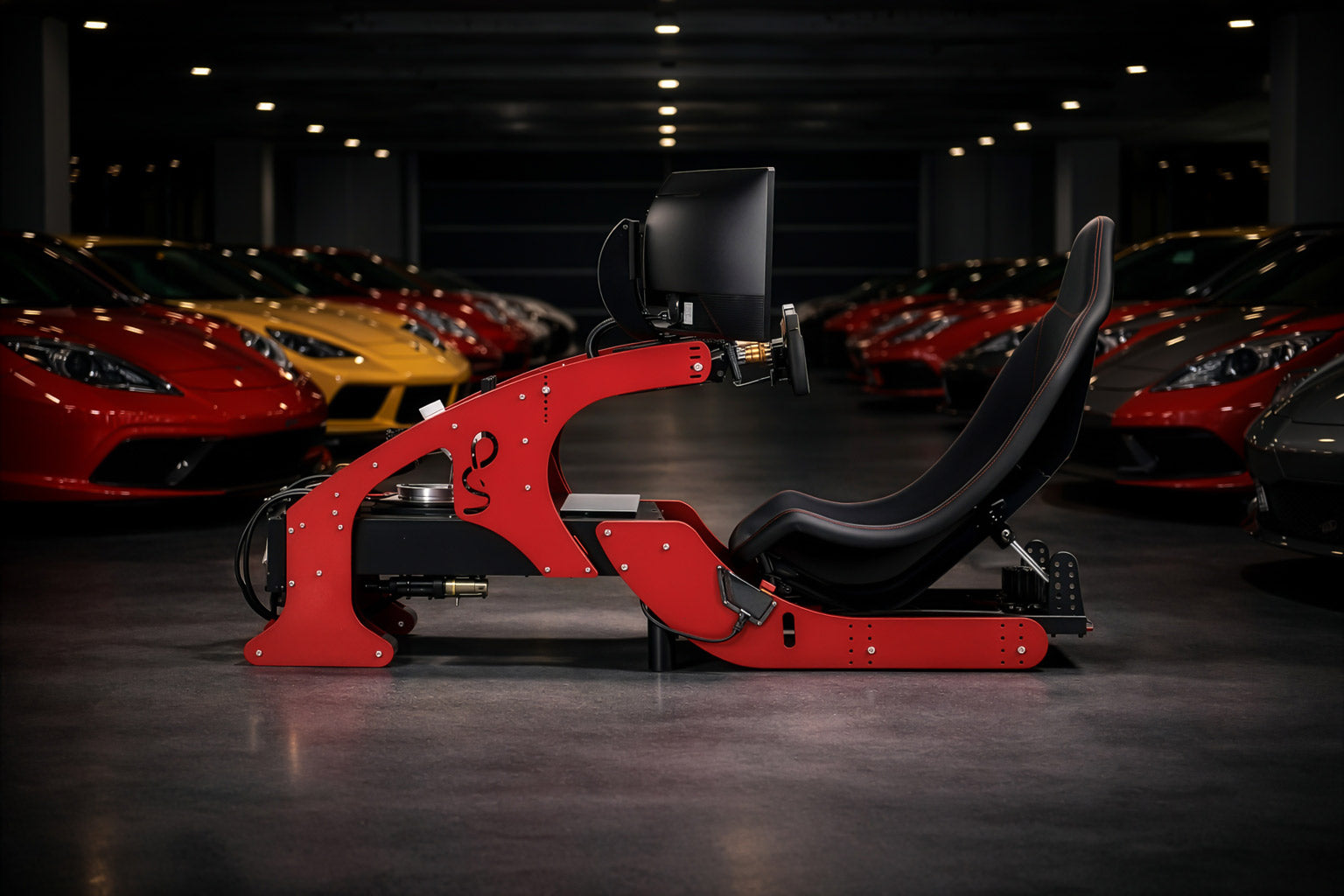
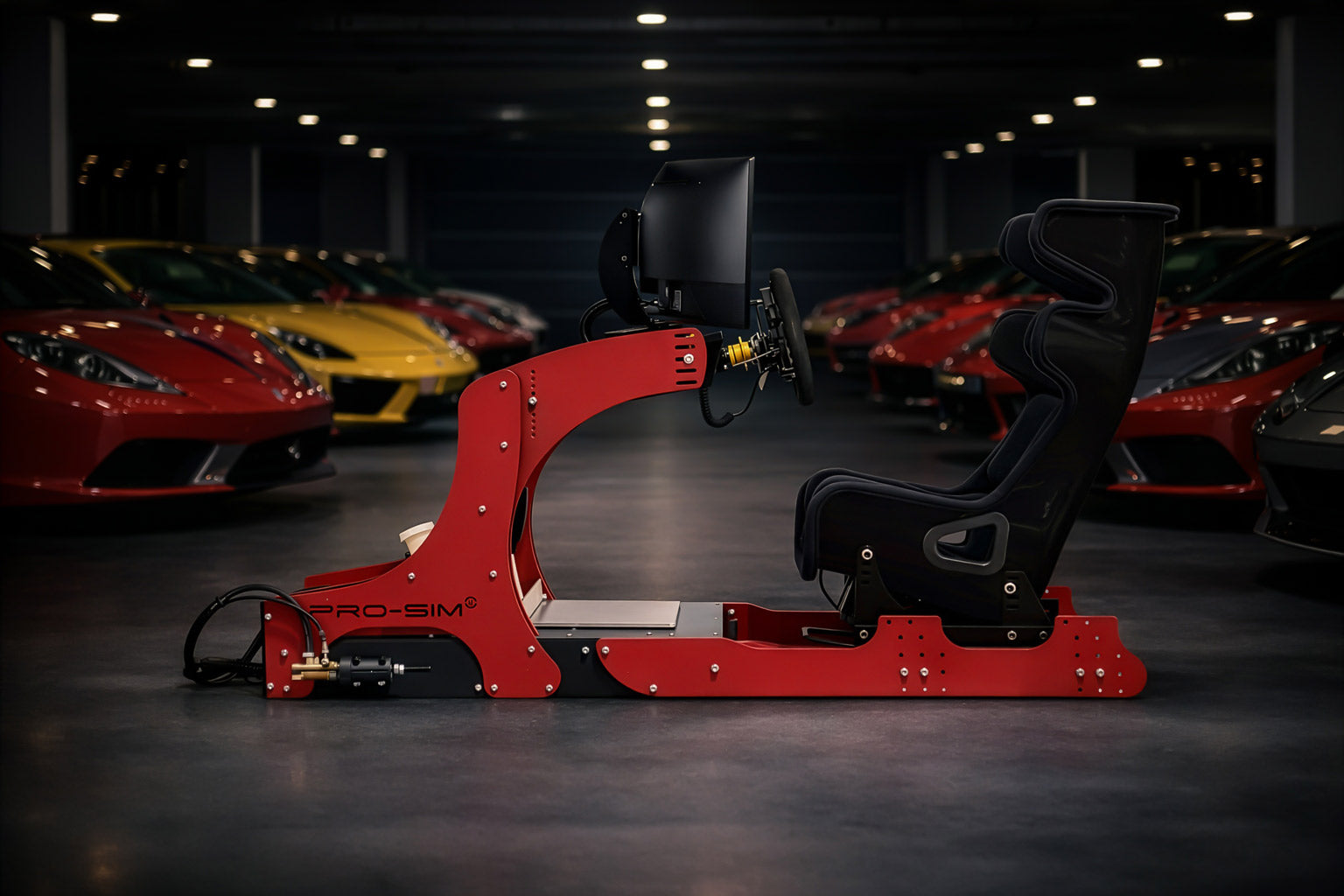
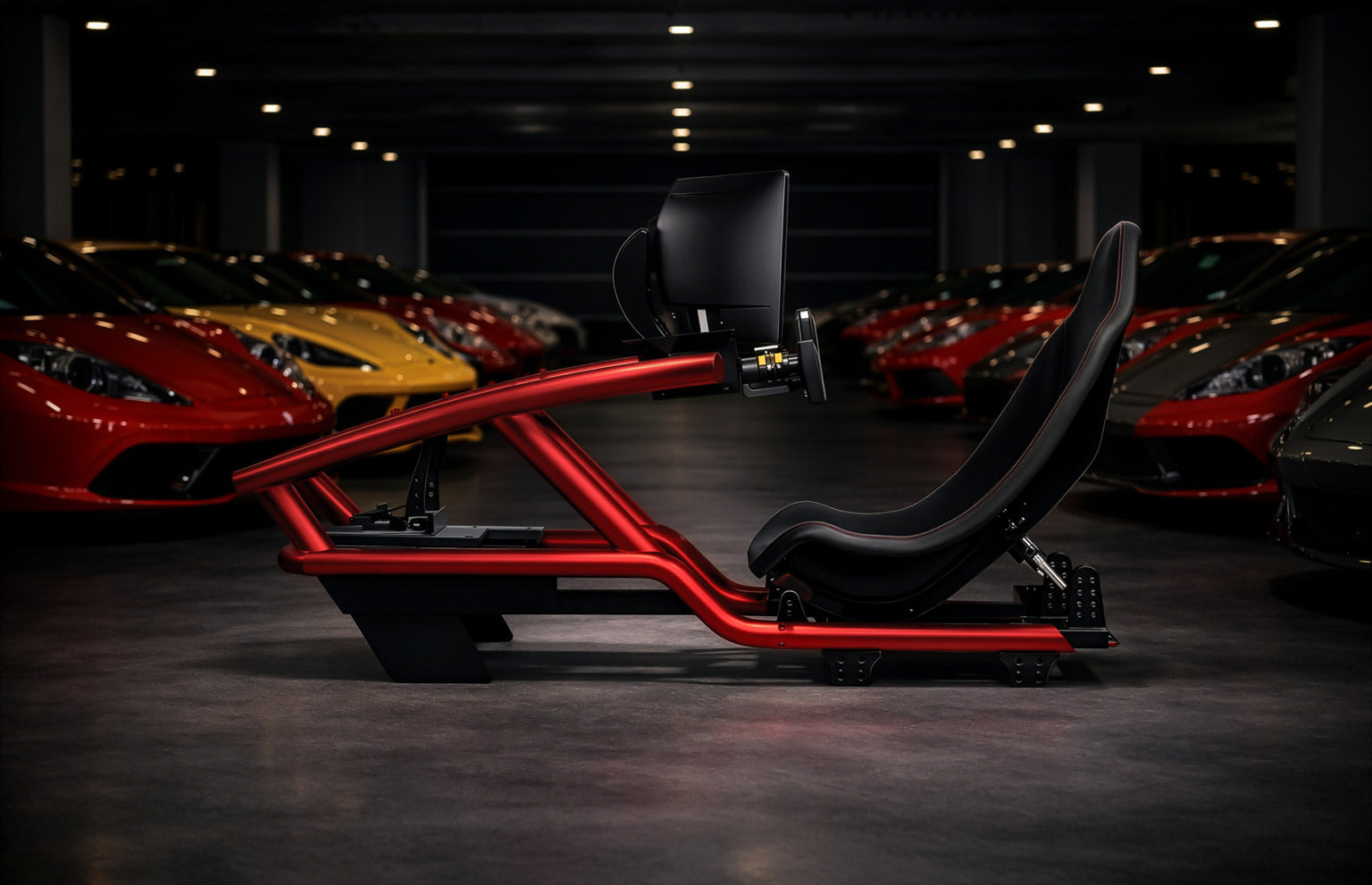
As Trusted By 9 F1 & 250+ Pro Drivers
The Cool Performance Difference
Designed & Developed by Formula Drivers
Developed by ex-Formula drivers Oliver Norris and Adrian Quaife-Hobbs to replicate real-world racing dynamics.
CP-S Proprietry Hardware & Software
Exclusive custom hardware and software, developed in-house by Cool Performance with direct feedback from professional drivers.
Unmatched Quality & Realism
Assembled in-house, with precision-engineered cockpits and CP-S components manufactured on-site to deliver uncompromising quality and realism.

D Box Motion Simulation
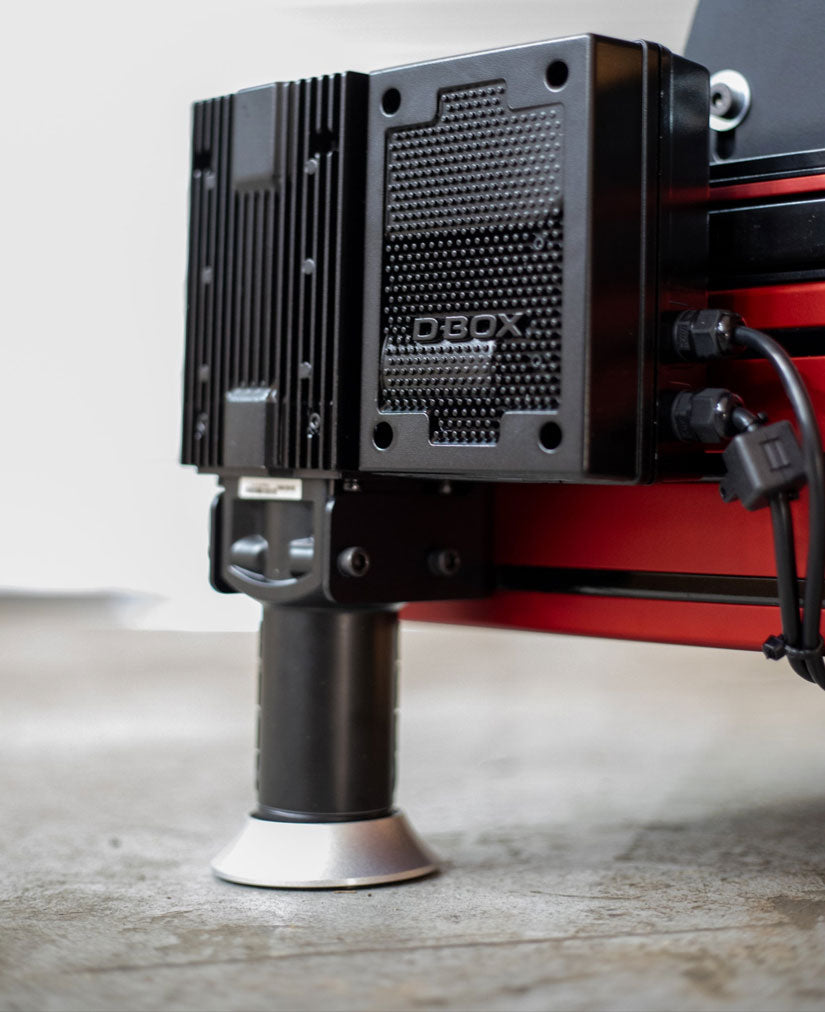
We use D-BOX motion platforms on our racing simulators. D-BOX are the leading providers of realistic motion simulation platforms for sim racing, with over 25 years experience in motio technology.
Why Choose A Cool Performance Motion Racing Simulator?
Cool Performance motion racing simulators are unique because they are built on the same professional-grade racing simulator platforms used by more than 250 professional drivers worldwide. Rather than designing a simulator around motion alone, as the main feature, we start with an ultra-realistic racing simulator and then integrate motion as an immersive enhancement.
This approach ensures that the core driving experience remains accurate and authentic, with precise steering feedback, rigid cockpit construction and high-quality components that replicate the feel of a real race car. Motion is then added to complement the driving experience rather than overpower it.
All Cool Performance simulators can be equipped with FIA licensed D-BOX motion systems, which accurately reproduce vehicle forces such as acceleration, braking, kerb strikes and road surface changes. These systems interpret telemetry data from the simulation software in real time to deliver natural and realistic motion cues.
Because our simulators are designed for professional driver training as well as enthusiast use, they prioritise realism, durability and engineering quality over exaggerated movement or gimmicks.
Why We Use D-BOX Motion Systems
- D-BOX motion simulator platforms are the only FIA licensed motion racing simulator system on the market and for good reason. D-BOX currently provide the most accurate and true to life motion simulator system for racing simulators currently available on the market. With the D-BOX motion simulator system, you feel every texture change, twist, turn and bump in the track. Over 20 years of research, development and improvements have gone into the development of D-BOX motion technology, a testament to their dedication to accuracy and realism.
- Due to the partnerships D-BOX has with many game makers, telemetry data is sent straight from the majority of popular racing simulator software's engines, to deliver feedback exactly how the game developers intended you to feel, accurate to real world vehicle dynamics. D-BOX motion simulator platforms are also extremely durable and reliable thanks to their electromechanical design, meaning there's no oil and no maintenance needed. Just like every component on our simulator, the full motion racing simulator platforms we use are scrutinized to the highest standards, to ensure we are buidling the most realistic simulator possible.

Motion Add-On Compatibility
- All of our industry leading racing simulators are compatible with D-BOX full motion racing simulator systems. However, if you want a racing motion simulator, it must be specified at the point of ordering, as custom mounting and cable management must be integrated into the cockpit for the full motion system. By integrating full motion systems directly to the cockpit, we achieve the most realistic driving experience, as this simulates the whole car moving, opposed to just the seat.
- Adding a full motion system to one of our professional simulators takes the immersivity to a whole new level, combine with visual upgrades and peripherals such as triple monitors or a virtual reality headset to truly take your racing experience to the next level of immersion.

Realism vs Extreme Motion
- A common misconception with full motion racing simulator motion systems is that the more movement, the more realistic the simulator. However, that is not true to real life - something we have a wealth of experience with 2 ex-pro driver founders and feedback from over 250+ professional drivers with the development of our simulators. When a real world race car is going 150+ mph over a curb, the feedback is almost instantaneous and the downforce keeps the car mostly on the ground.
- Stiff race suspension also means that real world race cars do not experience a huge amount of movement on track, as found on extreme motion simulators, when leaning into turns, accelerating and braking. This is another reason why we chose D-BOX as our motion simulator platform, as the 1.5 inches of travel per actuator is the best way to accurately replicate real world driving experience forces. Full motion racing simulator systems with lots of movement, simply are not accurate and are more for entertainment purposes, targetd to gaming enthusiasts rather than those seeking a realistic sim racing experience.

Degrees of Freedom Explained
Degrees of freedom are simply the different directions and axes of motion that a sim racing motion rig can move in. There are six axes of motion that are possible:
- Pitch (Forward/Backward Tilt) - The full motion racing simulator tilts forward under braking and backward during acceleration, mimicking the weight transfer you feel in a real car.
- Roll (Side-to-Side Tilt) - The rig leans left during right turns and right during left turns, recreating the lateral g-forces experienced in cornering.
- Yaw (Rotational Spin) - The motion racing simulator rotates left and right around a vertical axis, simulating the rotational forces when the car is sliding or experiencing oversteer/understeer.
- Surge (Forward/Backward Sway) - Linear movement forward and backward, adding to the pitch experience.
- Sway (Lateral Side-to-Side Movement) - Linear side-to-side motion separate from rolling tilt.
- Heave (Up/Down Vertical Movement) - The entire full motion racing simulator moves up and down, simulating bumps and weight transfer through suspension.
The motion racing simulator platforms we offer typically provide 3 degrees of freedom via 4 actuators, as this strikes the perfect balance of realism and cost. Whilst 6 degrees of freedom can be achieved, we have found it does not provide any real world racing benefit.
Motion Racing Simulator FAQs
What are the best simulators for motion?
In terms of accuracy and true to real life vehicle dynamics, the best simulators with motion are those that do not have excess levels of movement and keep all other aspects of the simulator realistic and accurate. For some simulators with extreme motion as the main feature, other more important aspects can often be overlooked such as seating, steering and pedal positioning. Cool Performance motion racing simulators keep all the realistic attributes and high quality components we are renowned for with the addition of motion actuators integrated with the chassis.
What are the benefits of a dynamic motion platform on a racing simulator?
A full motion racing simulator platform adds a new dimension to the sim racing experience. The most immersive sim racing rigs often feature motion, to simulate every bump, twist and kerb, as well as acceleration, braking and gear changes.
What is the best motion system for sim racing?
The best motion system for sim racing depends on what you want to achieve. For none drivers, extreme motion systems can be fun but have little translation to real world driving. D-BOX is widely considered the best motion platform for true to life realism and is commonly used on high end racing simulators.
Who can use a racing simulator with motion?
Motion racing simulators can be used by anyone, from first-time sim racers to professional drivers. Entry-level sim racers benefit from increased immersion and better feedback from the car, while professional drivers use motion simulators to train for real-world racing. High-end motion simulator systems replicate braking forces, cornering loads and track surface detail, helping drivers build muscle memory and improve consistency.
What software is compatible with Cool Performance motion simulators?
All major racing simulation titles are compatible with the motion systems used in Cool Performance simulators, including F1 25, Assetto Corsa Competizione, and iRacing.
The D-BOX motion platform integrates directly with supported racing simulation software, interpreting telemetry and physics data in real time. This ensures the motion system accurately reproduces the forces intended by the software developers, delivering a highly realistic driving experience.
How much does a motion racing simulator cost?
The cost of a professional motion racing simulator varies depending on the motion platform, chassis design and hardware specification. High-end motion simulators used by professional drivers typically range from £25,000 to £80,000. These systems use advanced motion platforms such as D-BOX actuators to accurately reproduce vehicle dynamics and track conditions.
How do motion racing simulators work?
Motion racing simulators work with mechanical or hydraulic actuators, to change the height of the racing simulator cockpit. Multiple actuators are fitted to different points of the simulator, often the corners, to deliver the six axes of movement or "degrees of freedom".